Updated 03/11/2025
Disclosure: The following article contains affiliate links. This means that if you book through my links, I may receive a small commission. There is no extra cost to you.
Key Takeaways for Workington
- Workington is a coastal town in West Cumbria, shaped by iron and steel heritage and surrounded by sea and countryside.
- Its attractions blend history and nature - from the ruins of Workington Hall and the Helena Thompson Museum to the Solway Coast and Vulcan Park.
- Compact and walkable, the town suits families, couples, and solo travellers looking for an authentic, slower-paced base near the Lake District.
- Seasonal festivals, local markets, and friendly cafés make Workington a lively year-round stop on the Cumbrian coast.
Introduction to Workington
Workington sits on the rugged west coast of Cumbria, where the River Derwent meets the Solway Firth and the Irish Sea. For centuries, this town was the industrial heartbeat of the region, driving Britain’s iron, steel, and coal industries and exporting goods around the world. Today, traces of that industrious past remain in its architecture and riverside quays, blending seamlessly with a modern town that’s open, friendly, and proud of its heritage.
Visitors will find a place that balances history with the outdoors. Riverside footpaths curve through leafy parkland, while the coastline offers panoramic sea views and quiet beaches ideal for long walks. The compact town centre hosts museums, independent shops, and cafes serving local Cumbrian fare. With the Lake District National Park less than an hour away, Workington also serves as a convenient base for exploring both coast and countryside.
This guide highlights the town’s top attractions, cultural heritage, outdoor adventures, and practical travel information - everything you need to plan an easy, rewarding visit to one of Cumbria’s most underrated coastal towns.
Why Visit Workington
Workington offers an authentic slice of coastal Cumbria where history, sea air, and community spirit meet. Its roots in the iron and steel industry give the town a distinctive identity, while recent regeneration projects have turned it into a comfortable and engaging place to explore. The result is a destination that feels both historic and lived-in - ideal for travellers who enjoy character rather than crowds.
For many visitors, Workington’s appeal lies in its setting. To the west stretches the Solway Firth, where wide estuarial sands and sea birds shape the skyline; to the east rise the distant peaks of the Lake District. Within minutes, you can move from the bustle of the shopping streets to tranquil riverside paths or open coastal trails.
The town’s scale makes it easy to explore without a car. Most attractions, including museums, churches, and parks, sit within walking distance of one another. Families appreciate the open spaces and local events, couples often linger over harbour sunsets or quiet park walks, and solo travellers find a welcoming atmosphere and plenty of cafés for a reflective pause.
Whether you’re stopping overnight on a Lake District itinerary or seeking a quieter base for coastal walks and local culture, Workington delivers variety in a relaxed, down-to-earth setting.
Top Places to Visit
Workington Hall (Curwen Hall)
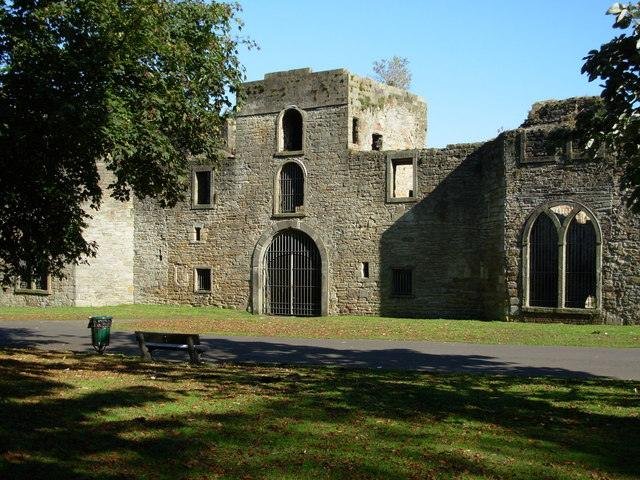
The remains of Workington Hall, also known as Curwen Hall, stand among trees on the north side of town near the River Derwent. Once a fortified manor belonging to the influential Curwen family, the hall dates back to the 14th century and later hosted Mary Queen of Scots after her flight from Scotland in 1568. Though roofless, its Gothic arches and stone towers still hint at its former grandeur.
The surrounding parkland offers quiet walks, benches, and views across the river valley. It’s one of the best places in Workington to sense the town’s layered history and photograph its medieval ruins against a backdrop of greenery and open sky.
Helena Thompson Museum
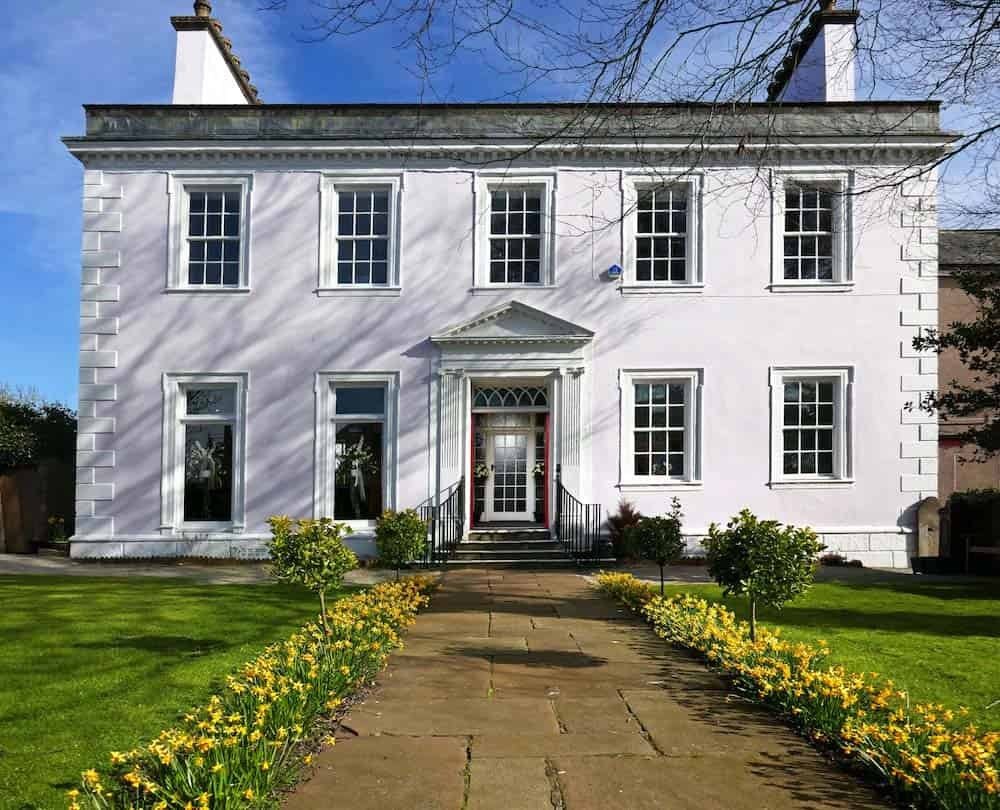
Housed in a graceful Georgian townhouse, the Helena Thompson Museum presents the story of Workington from Roman settlements through its industrial peak. Collections include fine porcelain, local crafts, mining tools, and personal artefacts from the 18th and 19th centuries. Exhibits change regularly, and knowledgeable volunteers add colour to the displays.
The museum’s period rooms recreate the feel of an upper-middle-class Cumbrian home, complete with antique furnishings and domestic details. It’s a compact yet thorough stop for anyone interested in how Workington’s industry shaped daily life.
St Michael’s Church
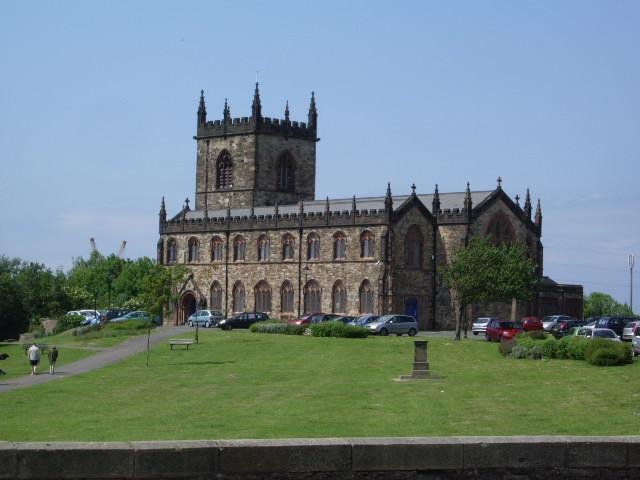
Standing close to the river, St Michael’s Church is among the oldest surviving buildings in Workington. Parts of the structure date back to Norman times, with later Gothic and Victorian additions. The square tower and crenellations give it a fortified look typical of early Cumbrian churches.
Inside, visitors will find carved stone columns, historic memorials, and stained-glass windows that filter soft light across the nave. The churchyard, surrounded by mature trees, provides a peaceful pause during a town-centre walk.
Vulcan Park
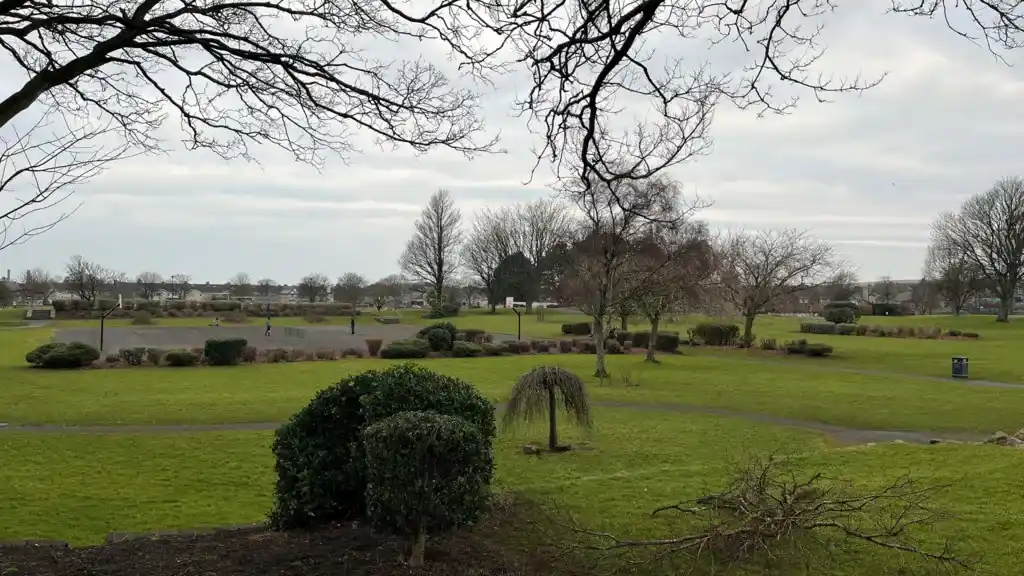
Named for the Roman god of fire - a nod to the town’s industrial heritage - Vulcan Park is Workington’s principal public green space. Landscaped lawns, floral borders, and a bandstand make it a favourite spot for community gatherings and summer performances.
Families enjoy the modern play area, while walkers use the paved paths for gentle exercise or lunchtime breaks. In fine weather, it’s the town’s social hub, connecting visitors with the rhythm of local life.
Harrington Nature Reserve

A short distance south of Workington lies Harrington Nature Reserve, an impressive example of post-industrial land turned wildlife haven. Once a site of slag heaps and spoil from the ironworks, it now supports ponds, wetlands, and grassland rich in birdlife.
Footpaths circle the reserve, offering sightings of herons, curlews, and occasionally red squirrels. It’s ideal for leisurely walks, nature photography, and learning how Cumbria’s industrial landscapes have been reclaimed by nature.
Solway Coast and Beach

The Solway Coast forms Workington’s western boundary and is officially designated an Area of Outstanding Natural Beauty. Its broad sands, shifting dunes, and tidal estuaries change character with the light and weather, providing endless interest for walkers and photographers.
Allonby Beach, a short drive north, is popular for windsurfing, kite-flying, and long seafront strolls. On clear days you can see across the water to the hills of southern Scotland. Few places in Cumbria capture the scale of the coast so completely.
Culture and Heritage
Workington’s story is inseparable from its industrial past. For centuries, the town was a centre of coal mining, iron smelting, and steel production, helping to forge the backbone of Britain’s heavy industry. Reminders of this heritage still shape the skyline, from converted ironworks and red-brick terraces to preserved machinery displayed in small community museums. Walking through the older parts of town, it’s easy to picture the era when furnaces glowed beside the river and ships left the harbour laden with steel rails bound for the wider world.
Today, Workington’s culture reflects that same resilience and pride. Local artists, writers, and musicians often draw inspiration from the town’s working-class roots and coastal environment. Venues such as the Kirkgate Arts Centre in nearby Cockermouth and smaller community halls host theatre productions, live music, and exhibitions by Cumbrian artists. Seasonal events, from summer galas to festive markets, bring residents together and give visitors a taste of local life.
History enthusiasts will find that Workington blends its past and present with subtle charm. Industrial relics have been adapted for new uses, warehouses turned into studios, mills into workshops, and public sculptures celebrating the skills that once defined the area. Exploring this intersection of history and modern creativity is one of the most rewarding ways to experience the town.
Outdoor Activities
Workington’s coastal location makes it an excellent base for outdoor exploration. The meeting of the River Derwent and the Solway Firth gives the town a landscape of contrasts: estuarial flats, sandy beaches, grassy headlands, and wooded riverbanks. Visitors who enjoy open air and wide horizons will find plenty of space to walk, cycle, and watch wildlife, often with few others around.
The Cumbria Coastal Way passes directly through the town, forming part of a long-distance route that stretches from Silverdale in the south to Gretna in the north. The section around Workington offers gentle terrain and broad sea views, with access points near the harbour and at nearby Harrington. Walkers can follow the trail north towards Allonby or south to Whitehaven, stopping at small coastal villages along the way.
Cyclists can join the Reivers Cycle Route, which crosses Cumbria between Tynemouth and Whitehaven, with Workington providing a useful midway rest point. For lighter outings, the local network of shared paths connects parks, riverside walkways, and the marina, making it easy to explore the town without traffic.
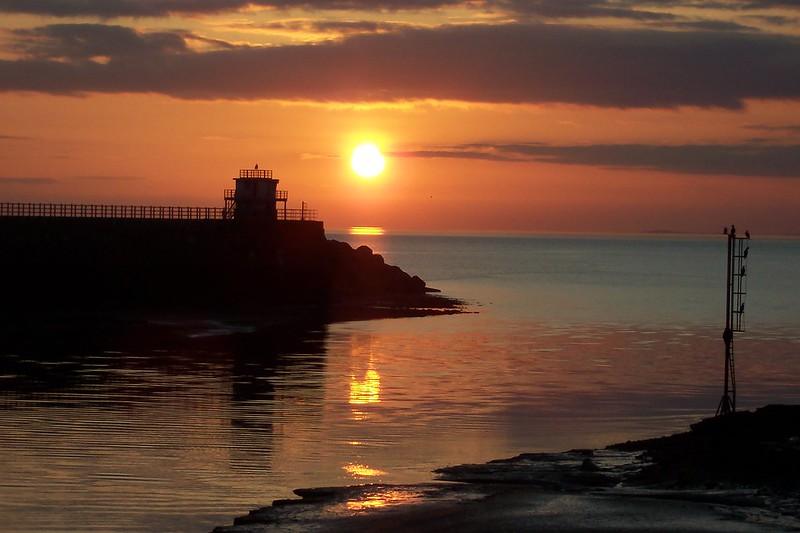
Nature enthusiasts often head for Harrington Nature Reserve, where reclaimed industrial land now supports diverse habitats. Birdwatchers may spot curlews, oystercatchers, or herons feeding in the shallows, while the upper paths offer glimpses of red squirrels in nearby trees. On clear days, the sunsets over the Solway are remarkable, with soft light reflecting on tidal sands and distant hills in Scotland.
Outdoor experiences here are simple but memorable: a morning walk along the shore, an afternoon picnic in Vulcan Park, or a breezy cycle beside the Firth. For many visitors, that combination of sea air, space, and history is the essence of Workington’s appeal.
Events and Festivals
Workington has a busy calendar of community events that celebrate its heritage and creative spirit throughout the year. From music and markets to seasonal parades, the town’s gatherings bring people together in a way that reflects its strong sense of identity and pride.
The Workington Christmas Festival is the most anticipated event of the year. The town centre transforms into a festive hub with market stalls, fairground rides, street entertainment, and a cheerful light switch-on that draws crowds from across West Cumbria. Local choirs perform carols, and many shops stay open late, adding to the lively atmosphere.
In summer, Vulcan Park becomes the setting for outdoor concerts and community fairs, where families picnic on the lawns while local bands perform from the bandstand. The park’s flower shows and craft markets give visitors a chance to meet local makers and pick up handmade gifts or regional produce.
The Workington Music Festival, one of the oldest continuous arts events in the area, showcases regional talent in classical and contemporary categories. Held annually, it attracts performers from across the North West and provides a platform for young musicians to gain experience.
Art lovers also look forward to the Workington Arts Festival, which spans exhibitions, workshops, and theatre performances. The event highlights the creative diversity of the region, featuring everything from landscape painting to local photography inspired by the coast and countryside.
Throughout the year, smaller gatherings, charity runs, heritage open days, vintage vehicle rallies, and food fairs keep the town’s social calendar full. For visitors, these events offer the best opportunity to connect with residents and experience the warmth of a genuine Cumbrian community.
Eating and Drinking
Workington’s food scene reflects its Cumbrian roots, hearty, straightforward, and locally sourced wherever possible. The town’s restaurants and pubs focus on generous portions, familiar flavours, and relaxed service. Visitors will find everything from traditional fish and chips to modern bistro dining, with an emphasis on regional ingredients and local suppliers.
The Harbour Side Fish and Chips is a firm favourite for coastal fare, serving freshly battered haddock and chunky chips with views towards the marina. For a classic pub atmosphere, the Briery Hotel combines rustic charm with homemade British dishes, while the Washington Central Hotel offers a more refined experience with seasonal menus and regional wines.
Cafes and tearooms are scattered across the town centre, perfect for morning coffee or a quiet afternoon break. Independent spots such as The Coffee Kitchen and Carnegie Cafe champion Cumbrian produce, offering pastries, soups, and sandwiches made with local bread and cheeses. They’re friendly places where solo travellers feel welcome and locals often stop for a chat.
For those with a sweet tooth, Workington’s bakeries are worth seeking out. Expect traditional tray bakes, custard slices, and fruit pies - comfort food at its best. The town’s markets also feature stalls selling homemade cakes, preserves, and fudge, perfect for taking home a small taste of Cumbria.
Evening options range from casual to special-occasion dining. Italian and Indian restaurants line Washington Street, while nearby coastal villages add seafood and steakhouse options. Pair a good meal with a local ale or cider, and you’ll soon feel part of the town’s easy-going rhythm.
Shopping
Workington is the main retail hub for much of coastal West Cumbria, offering a mix of high-street stores, local boutiques, and traditional markets. The compact town centre is pedestrian-friendly, making it easy to combine shopping with sightseeing or a café stop.
At the heart of town sits Washington Square Shopping Centre, a modern open-air complex that houses national brands, coffee shops, and everyday essentials. Its covered walkways make it a comfortable spot in all weather, and regular pop-up stalls add local interest to the larger chain stores.
A short distance away, Dunmail Park Shopping Centre provides an alternative option with supermarkets, homeware outlets, and a multi-screen cinema, a convenient stop for both visitors and locals. Free parking and on-site dining make it a good choice for a relaxed afternoon indoors, especially during winter or rainy days.
Traditional markets remain part of Workington’s identity. Workington Market, held every Wednesday and Saturday, brings together farmers, bakers, and craft makers from across the region. The atmosphere is friendly and unhurried, with stalls offering everything from Cumbrian cheeses and homemade pies to handmade soaps and local art. It’s an excellent way to support small producers and find authentic souvenirs.
For something more distinctive, look out for artisan pop-ups and craft fairs hosted by local heritage groups throughout the year. These smaller events showcase pottery, textiles, woodcraft, and jewellery made by independent Cumbrian artists. Visitors who enjoy meeting makers and learning about traditional crafts will find these markets rewarding stops between sightseeing.
Workington’s retail offer may be modest compared to larger cities, but its combination of familiar shops, friendly markets, and home-grown creativity gives it genuine charm. Shopping here feels personal, the kind of experience that suits the town’s down-to-earth character.
Accommodation
Workington offers a good selection of accommodation for visitors exploring Cumbria’s western coast or the fringes of the Lake District. Choices range from comfortable town-centre hotels to quiet guesthouses and self-catering lodges in the surrounding countryside. Most options are within easy reach of local attractions and public transport, making the town a convenient base for both business and leisure travel.
Hotels
The Washington Central Hotel is a long-established favourite, known for its welcoming service, central location, and restaurant featuring local produce. Rooms are modern and comfortable, ideal for couples or business travellers wanting amenities on their doorstep. The Waverley Hotel, slightly smaller and more traditional, offers good value and a friendly atmosphere close to the station and main shopping streets.
Guesthouses and B&Bs
For a more personal touch, Workington’s guesthouses and bed-and-breakfasts provide character and home-cooked breakfasts. The Old Ginn House Inn in nearby Great Clifton is popular with walkers and cyclists for its hearty food and relaxed feel. Many B&B hosts are happy to share local advice, which adds to the sense of staying within a community rather than a resort.
Holiday Parks and Self-Catering
Travellers seeking outdoor space will find several caravan and holiday parks just outside town. Brigham Holiday Park, for example, offers modern facilities and easy access to both coast and countryside. Self-catering cottages and lodges in surrounding villages such as Seaton and Great Clifton provide privacy, parking, and flexible options for families or longer stays.
Rural Retreats
Those wanting peace and views can look inland towards small farm stays or country inns on the road to Cockermouth. These quieter spots combine rustic charm with proximity to Workington’s amenities, giving visitors the best of both worlds: the coast by day, and countryside calm by night.
Workington’s accommodation scene may not be grand, but it’s dependable, affordable, and built on genuine Cumbrian hospitality. Wherever you stay, expect a warm welcome, hearty breakfasts, and easy access to the area’s coast, parks, and heritage trails.
Getting There
Workington is well connected to the rest of Cumbria and northern England by road, rail, and bus. Its coastal position makes it an easy addition to a Lake District itinerary or a stop on a wider journey through the North West.
By Road
The town lies on the A66, which links directly with the M6 motorway near Penrith, and on the A595, the scenic coastal road that runs north–south through West Cumbria. Drivers approaching from the south can follow the A595 via Whitehaven, while those coming from the north reach Workington through Maryport and Cockermouth. Parking is available in the town centre, with long-stay and short-stay car parks close to Washington Square Shopping Centre and Vulcan Park.
The drive itself is rewarding: the final stretch offers glimpses of the Solway Firth to one side and the fells of the Lake District to the other. Travellers with time to spare often combine the route with stops at small coastal villages such as Harrington or Allonby.
By Rail
Workington station sits on the Cumbrian Coast Line, a picturesque railway route that connects Carlisle in the north with Barrow-in-Furness in the south. Trains run several times daily, with onward connections to Manchester, Newcastle, and Glasgow. The journey from Carlisle takes around 50 minutes, passing estuaries, salt marshes, and glimpses of the Irish Sea.
The station is a short walk from the town centre, and taxis are usually available outside. Rail travel is a convenient option for visitors exploring without a car, especially as many of the main attractions are within walking distance once you arrive.
By Bus
Local and regional buses link Workington with nearby towns and villages, including Whitehaven, Cockermouth, and Keswick. Services are operated mainly by Stagecoach Cumbria and North Lancashire, with timetables available online and at the bus station on Oxford Street.
By Air
The nearest major airports are Newcastle International Airport (about two and a half hours by car) and Manchester Airport (around three hours). Both have rail links connecting to Carlisle or Lancaster, from where you can continue to Workington by train.
Getting Around
Workington itself is compact and easy to navigate on foot. Local taxis and buses make short trips straightforward, while cyclists benefit from shared paths connecting the town with nearby coastal routes. For those planning to explore further afield, hiring a car in Carlisle or at one of the regional airports offers the greatest flexibility.
When to Visit
Workington’s coastal climate is typical of Cumbria’s western shore - mild, breezy, and often changeable. The best time to visit depends on the kind of experience you’re seeking, but most travellers find late spring through early autumn (May to September) ideal for outdoor exploration and local events.
Spring (March to May)
Spring brings longer days, mild temperatures, and new life to the surrounding countryside. Wildflowers brighten the coastal paths, and parks such as Vulcan Park begin hosting small community events. It’s a quieter time to visit before the main tourist season, with good value in hotels and fewer crowds on walking routes.
Summer (June to August)
Summer is the liveliest season in Workington. Days are long, and the weather is warm enough for beach walks, picnics, and open-air concerts. Local festivals fill the calendar, and cafés spill out onto pavements. The coast occasionally sees brisk winds, so a light jacket is always worth packing, but the clear evening skies often reward visitors with beautiful sunsets over the Solway Firth.
Autumn (September to November)
Autumn is ideal for walkers and photographers. The countryside takes on golden tones, and the town’s parks and riverside trails are particularly scenic. It’s also harvest time, when local markets feature seasonal produce such as apples, chutneys, and cheeses. Accommodation prices begin to drop, making this a pleasant and budget-friendly season to explore.
Winter (December to February)
Winter in Workington is quiet and atmospheric. The sea air can be bracing, and the streets are less busy, creating a more reflective pace. The highlight is the Workington Christmas Festival, with lights, music, and festive markets transforming the town centre. This season suits those who prefer cosy cafés, off-season deals, and a glimpse of Cumbria without the crowds.
Whatever the time of year, Workington’s weather can change quickly - sunshine, sea mist, and showers often arrive in the same afternoon. Bring layers, a waterproof jacket, and a sense of adventure; the ever-shifting light and sea air are part of the town’s charm.
Beyond Workington
Workington’s position on the west coast of Cumbria makes it an ideal base for exploring nearby towns, coastal villages, and the western edge of the Lake District. Many of the region’s most rewarding day trips can be reached in under an hour, offering easy variety for visitors who like to balance history, scenery, and local flavour.
Maryport
Ten minutes north by road or rail, Maryport is a charming harbour town known for its maritime history and Roman heritage. The Lake District Coast Aquarium and Maryport Maritime Museum appeal to families, while the promenade provides sea views and traditional fish-and-chip stops. The Senhouse Roman Museum, standing on a clifftop fort site, offers insight into the area’s ancient past and sweeping views across the Solway to Scotland.
Whitehaven
About 25 minutes south lies Whitehaven, a Georgian port once central to the coal trade. Its elegant streets and marina have been carefully restored, and attractions such as The Beacon Museum and The Rum Story trace the town’s links with global trade. Strolling along the harbour walls gives a sense of Whitehaven’s maritime scale and offers striking photo opportunities at sunset.
Cockermouth
Inland to the east, Cockermouth is an attractive market town on the River Derwent and the birthplace of poet William Wordsworth. The restored Wordsworth House and Garden, now run as a museum, recreates 18th-century domestic life, while the town’s independent shops and galleries make it one of Cumbria’s most enjoyable small-town centres. Its location also opens routes into the north-western fells of the Lake District.
Lake District National Park
Within a 45-minute drive, visitors can reach the Lake District National Park, offering some of England’s most celebrated landscapes. From Workington, the nearest access points are around Bassenthwaite Lake and Whinlatter Forest, both excellent for walking and cycling. For longer day trips, Keswick, Derwentwater, and Buttermere provide classic lake scenery and well-marked trails.
Solway Coast Villages
Heading north along the Solway Coast reveals peaceful seaside communities such as Allonby and Silloth, known for their wide beaches, colourful cottages, and relaxed pace. These spots are ideal for slow travel - a walk on the dunes, a coffee at a sea-view café, or watching the tide roll in under open skies.
Heritage Trails
Those interested in industrial and social history will find a series of Heritage Coast routes connecting former mining sites and ironworks. Many have been reclaimed as walking and cycling paths, linking Workington with neighbouring towns through landscapes that blend nature and history.
Need to Know
Workington is a friendly and accessible town that suits travellers seeking a slower pace and an authentic coastal life. It offers all essential services, banks, supermarkets, chemists, and cafes, within a short distance of the main shopping streets, and most public facilities are open throughout the year.
Safety
Workington is generally a safe destination, with low crime rates and a close-knit community. As with any town, normal awareness applies: keep valuables secure, and take care in quieter areas after dark. When walking the coast or river paths, be mindful of changing tides and slippery surfaces after rain.
Weather and Clothing
The weather in West Cumbria can shift quickly, often bringing a mix of sun, cloud, and sea breeze within a single afternoon. Comfortable walking shoes and a light waterproof jacket are essential year-round. In summer, bring layers for cooler evenings; in winter, warm clothing and windproof outerwear are recommended, especially if you plan to explore the seafront.
Accessibility
Workington’s town centre is largely level, with accessible entrances to major shops and public buildings. Vulcan Park and the riverside walks include paved sections suitable for wheelchairs and pushchairs. Buses and trains also offer step-free access at most points.
Tourist Information
Visitor information is available at Workington Library, where staff can provide local maps, event details, and advice on nearby attractions. Hotels and guesthouses often keep printed guides, and digital resources are improving as the town develops its tourism offer.
Health and Emergencies
For medical assistance, West Cumberland Hospital in Whitehaven provides full emergency services around 25 minutes away, while local clinics and pharmacies handle routine needs. The UK emergency number is 999 for police, fire, or ambulance.
Money and Connectivity
Workington uses the British Pound (GBP). ATMs are easy to find in the town centre and shopping areas. Mobile and internet coverage are generally reliable, though coastal paths and rural outskirts can have occasional weak spots. Free public Wi-Fi is available in some cafes and at the library.
Local Etiquette
Cumbrians are known for being approachable and straightforward. A friendly greeting and patient conversation go a long way here. Supporting local businesses from markets to cafes helps sustain the community and keeps the town’s welcoming atmosphere alive.
Whether you’re visiting for a weekend or using Workington as a base for wider exploration, you’ll find a town that rewards curiosity. With its coastal charm, industrial echoes, and natural scenery, Workington offers a quietly compelling corner of Cumbria that many travellers overlook - until they arrive.
FAQs about Workington
Where is Workington located?
Workington lies on the west coast of Cumbria, overlooking the Solway Firth, about 35 miles south-west of Carlisle.
What is Workington known for?
Historically, Workington was a centre for coal mining and steel production. Today, it’s known for its coastal scenery, heritage landmarks, and welcoming community.
Is Workington near the Lake District?
Yes - it sits just outside the north-western boundary of the Lake District National Park, around 40 minutes’ drive from Keswick and Bassenthwaite Lake.
What can I do in Workington?
Visit Workington Hall, the Helena Thompson Museum, Vulcan Park, and nearby beaches; explore the Cumbria Coastal Way; and enjoy markets, cafes, and local festivals.
Is Workington family-friendly?
Very - parks, nature reserves, and short coastal walks make it easy for families to explore, while the town’s compact layout keeps travel simple.
How do I get to Workington?
The town is accessible by the A66 and A595 roads, the Cumbrian Coast Line railway, and regular regional bus services.
When is the best time to visit?
Late spring to early autumn offers the most settled weather and outdoor events, but winter brings a quieter pace and festive charm.
Conclusion
Workington is a town that beautifully blends its rich industrial past with modern amenities and natural beauty. From its historic landmarks to its vibrant cultural scene, Workington offers visitors a unique and memorable experience. Whether you're exploring its ancient buildings, enjoying its coastal scenery, or participating in local festivals, Workington is a destination that promises to captivate and inspire.
Sources
- Wikipedia — History of Workington Wikipedia
- Wikipedia — Workington (general page) Wikipedia
- Cumbria County History Trust — “Workington: Origins and growth of the town” Cumbria County History Trust+1
- The Helena Thompson Museum official site — museum building & collection history The Helena Thompson Museum+1
- Britannica — “Workington: Industrial town, Cumbria, coastline” Encyclopedia Britannica
- Port of Workington “Port History” page portofworkington.co.uk
- Visit Lake District — “Workington” page (tourism overview) Visit Lake District+1
- VisitCumbria.com — “Workington” page with industrial heritage information visitcumbria.com