Updated 30/10/2025
Key Takeaways
- Grasmere is a picturesque village in the Lake District, renowned for its natural beauty, literary heritage, and welcoming atmosphere.
- The village offers a wide range of accommodation options, from boutique hotels and historic inns to cosy guest houses.
- Visitors can enjoy a vibrant food scene, including traditional pubs, charming tea rooms, and renowned spots like the Grasmere Gingerbread Shop.
- Outdoor activities abound, with scenic hiking trails, lakeside walks, and cycling routes suitable for all abilities.
- Grasmere is easily accessible by car, train, and bus, making it a convenient base for exploring the Lake District National Park.
- The village’s rich history and culture are showcased in attractions like Dove Cottage and St. Oswald’s Church.
Introduction
Grasmere is a quintessential Lake District village, famed for its breathtaking scenery, literary heritage, and irresistible gingerbread. Nestled between rolling hills and its tranquil lake, Grasmere welcomes families, hikers, and culture-seekers with historic charm, scenic walks, and a warm village atmosphere. Explore the landmarks that inspired William Wordsworth, enjoy lakeside strolls, and discover why Grasmere is the heart of Lakeland's adventure and tradition.
Grasmere: A Lakeside Paradise Awaits
Grasmere is often referred to as one of the most picturesque villages in the Lake District, and rightly so. Located at the northern edge of the expansive Lake Grasmerere, the village is surrounded by rolling hills and breathtaking landscapes that have inspired artists and poets for centuries. It beckons both the weary traveller seeking solace and the adventure-seeker eager to explore its lush terrain.

The village itself is steeped in rich cultural history, most famously being the home of the poet William Wordsworth. His presence has left a lasting legacy, making Grasmere a pilgrimage site for literary lovers. Visitors often find themselves wandering the same paths that inspired Wordsworth's timeless verses.
Grasmere, Cumbria, also serves as a central hub for exploring the broader Lake District National Park, a UNESCO World Heritage site known for its stunning natural beauty. With easy access to numerous hiking trails, scenic drives, and surrounding villages, Grasmere provides an excellent starting point for adventures.
Moreover, Grasmere is easily reachable by road and public transport, making it an accessible destination for travellers from near and far. The welcoming atmosphere of the village, combined with its breathtaking scenery, creates an irresistible invitation to those looking to unwind and explore.
As you stroll through Grasmere, you'll discover the enchanting blend of traditional English charm with modern conveniences. The delightful shops and cosy accommodations enhance the village's appeal, offering a perfect balance of relaxation and exploration.
In every season, Grasmere reveals a new face, from the vibrant flowers of spring to the crisp autumn leaves. Visitors are often captivated by the ever-changing scenery, making every trip feel unique and memorable.
With its rich history, stunning landscapes, and warm hospitality, Grasmere is indeed a lakeside paradise waiting to be discovered. Prepare to be enchanted as you delve deeper into the natural beauty and cultural offerings of this charming village.
The Natural Beauty of Grasmere: A Scenic Wonderland
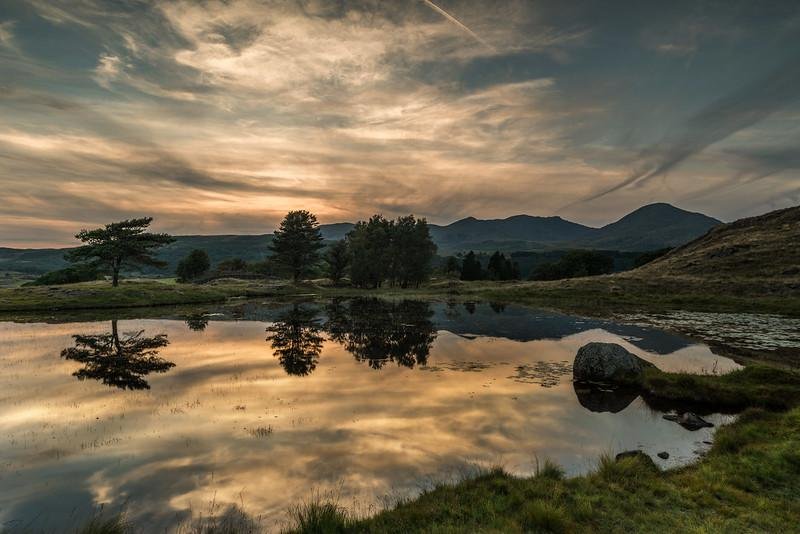
The natural beauty of Grasmere is undoubtedly one of its major attractions. The village is enveloped by majestic mountains, tranquil lakes, and lush greenery, providing a feast for the eyes at every turn. Grasmere Lake, in particular, is a shimmering jewel that reflects the surrounding hills, creating a picturesque setting that invites contemplation and relaxation.
The surrounding fells like Helm Crag and Silver How serve as the backdrop to this idyllic landscape, with their rugged silhouettes contrasting beautifully against the soft curves of the hills. The area is rich in flora and fauna, making it a paradise for nature enthusiasts and photographers alike.

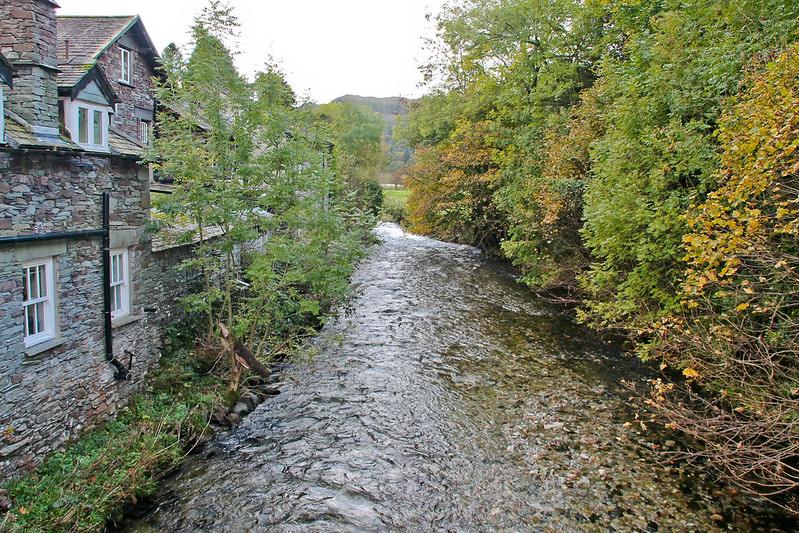
Wildflowers bloom throughout the region, painting the meadows with vibrant colours during the warmer months. In contrast, the autumn months bring a rich tapestry of reds, oranges, and yellows, creating a stunning canvas that captures the essence of the changing seasons.
One of the most enchanting aspects of Grasmere's natural beauty is the ever-present tranquillity. Whether you're sitting by the lakeside, listening to the gentle lapping of water against the shore, or hiking through the serene woodlands, a profound sense of peace envelops you.
Birdwatchers will also find joy in the area, as the diverse ecosystems attract various species, including the majestic red kite and the elusive kingfisher. The combination of vibrant wildlife and serene landscapes makes Grasmere an excellent spot for outdoor exploration.
As the sun sets, the skies above Grasmere can transform into a mesmerising palette of colours, reflecting the beauty of the region. This breathtaking spectacle often draws visitors to the lakeside, where they can witness nature's own fireworks display.
Grasmere's seasonal changes further enhance its allure; each season offers a unique perspective on the landscapes, encouraging visitors to return time and again. The village is truly a scenic wonderland that captivates the heart and inspires the soul.
In Grasmere, nature is at the forefront, inviting you to step outside and immerse yourself in its beauty. Whether you’re enjoying a leisurely walk or embarking on a more adventurous hike, the natural environment of Grasmere is sure to leave a lasting impression.
Exploring Grasmere Village: Charm and History Combined
As you wander through the quaint streets of Grasmere village, you'll find yourself surrounded by an atmosphere of timeless charm. The village is a delightful blend of historical architecture, cosy cottages, and lush gardens, creating a picture-perfect setting that feels like stepping back in time.
The heart of Grasmere is its village square, where visitors can find local shops, tea rooms, and artisan boutiques. Each establishment reflects the character of the village, offering an array of unique products, from handmade crafts to locally sourced foods that showcase the rich heritage of the area.
One of the most notable features of Grasmere is its rich literary history. The village was home to many writers and artists, but none is more famous than William Wordsworth. His cherished home, Dove Cottage, is a significant landmark that attracts visitors keen to learn about the poet’s life and work.

Grasmere’s history is also visible in its beautiful stone buildings, many of which date back centuries. Walking through the village, you can admire the traditional architecture that has stood the test of time, each structure telling its own story.
Another highlight is the picturesque St. Oswald’s Church, where Wordsworth is buried. The churchyard, filled with charming gravestones and ancient trees, provides a peaceful spot for reflection while connecting you to the village's literary past.

In addition to its historical significance, Grasmere is also a vibrant community with a warm and welcoming atmosphere. The locals take pride in their village, often sharing stories and recommendations with visitors who are eager to discover the area.
The village is also home to various annual events and festivals that celebrate its heritage, art, and local produce. These events invite visitors to experience Grasmere’s lively spirit and engage with the community.
Exploring Grasmere village is more than just sightseeing; it’s an opportunity to immerse yourself in a rich tapestry of history, culture, and community. With each step, you will uncover the charm that makes Grasmere a beloved destination for travellers from around the world.
Must-Visit Attractions: From Dove Cottage to the Lake
At Dove Cottage, you can explore the beautifully preserved rooms and gardens, with knowledgeable guides on hand to share fascinating stories about Wordsworth’s life and inspirations. The adjoining museum houses a vast collection of manuscripts, letters, and artefacts that celebrate Wordsworth's literary legacy.
Just a short walk from Dove Cottage lies Grasmere Lake, where visitors can enjoy a peaceful day by the water. The lake is perfect for strolls, picnics, or simply soaking in the stunning views. The surrounding landscape provides a serene backdrop that makes it a favourite spot for both locals and tourists.
Another significant attraction is the famous Grasmere Gingerbread Shop, where visitors can indulge in the village's sweet speciality. This delightful shop has been serving its unique gingerbread since the 19th century, and tasting a piece of this local delicacy is a must!
For those interested in art, the Heaton Cooper Studio is a fantastic destination. This gallery showcases the work of local artists, including paintings and prints that capture the beauty of the Lake District. The studio is dedicated to both exhibiting and selling the work of contemporary and established artists.
St. Oswald’s Church also deserves a visit, not only for its historical significance but also for its picturesque setting. The church is a tranquil place filled with beautiful stained glass windows and a serene atmosphere, making it an excellent spot for reflection.
If you’re looking for something more adventurous, the Lion and the Lamb, a striking rock formation located just outside of the village, offers stunning views and is a popular hiking destination. The hike is rewarding, with panoramic vistas that showcase the beauty of the Lake District.
From historical landmarks to culinary delights and breathtaking landscapes, Grasmere is packed with must-visit attractions that capture the essence of this enchanting village. Each spot has its own story to tell, making your visit a rich and fulfilling experience.
Literary Landmarks: Wordsworth’s Grasmere
Grasmere's literary heritage is its crown jewel, with multiple historic homes that tell the story of William Wordsworth and the Romantic poets. These carefully preserved sites offer an intimate glimpse into the lives and creative processes of some of England's greatest literary figures.
Dove Cottage and The Wordsworth Museum
Dove Cottage, located on the edge of Grasmere village, was William Wordsworth's home from 1799 to 1808, his most productive years as a poet. Here he penned some of his most celebrated works, including 'I Wandered Lonely as a Cloud' (Daffodils) and completed his masterwork 'The Prelude'. The cottage is remarkably intimate, with small rooms that housed not only William but his sister Dorothy, his wife Mary, and their growing family.
The adjacent Wordsworth Museum contains the world's finest collection of manuscripts, paintings, and artefacts related to Wordsworth and the Romantic movement. Visitors can see original handwritten poems, Dorothy's journals, and personal belongings that bring the Wordsworth story to life. The museum also hosts regular exhibitions, talks, and poetry events throughout the year.
Location: Town End, Grasmere LA22 9SH
Open: Daily (times vary seasonally, typically 9:30 am-5:30 pm)
Tickets: Adults from £9.95, which includes both cottage and museum
Tip: Book online in advance during peak season, as entry times are allocated
Allan Bank
Allan Bank was the Wordsworth family's second Grasmere home (1808-1811), where William, his wife Mary, his sister Dorothy, and their three children lived. This Georgian house on the hillside above Grasmere village offers a more relaxed, hands-on experience than Dove Cottage. Now managed by the National Trust, Allan Bank has been restored as an 'un-grand' country house where visitors can explore freely, try on period costumes, play games, and even enjoy refreshments in the family kitchen.
The house is also significant as the place where Thomas De Quincey (author of 'Confessions of an English Opium-Eater') lived after the Wordsworths moved out, and where he began his infamous opium addiction. The informal atmosphere makes Allan Bank particularly appealing for families with children.
Location: Allan Bank, Grasmere LA22 9QB
Open: House open weekends and school holidays (check National Trust website for current hours)
Entry: National Trust members free; non-members from £8
Highlight: The views from the grounds are spectacular, looking down over Grasmere Lake and village
Rydal Mount
Rydal Mount, located 1.5 miles from Grasmere in the hamlet of Rydal, was Wordsworth's home from 1813 until his death in 1850, his longest residence. This elegant house sits in beautiful gardens designed by Wordsworth himself, with terraced lawns, rare shrubs, and stunning views of Rydal Water and the surrounding fells.
Inside, visitors can see the dining room where Wordsworth was appointed Poet Laureate in 1843, his study containing his encyclopaedia and personal library, family portraits, and many of his personal possessions. The gardens are a delight in all seasons, with daffodils in spring echoing his most famous poem.
Location: Rydal, Ambleside LA22 9LU (1.5 miles south of Grasmere)
Open: Daily March-October 9:30 am-5 pm; November-February Wed-Sun 11 am-4 pm
Tickets: Adults £8.50, includes house and 4.5 acres of gardens
How to get there: Walk via Rydal Road from Grasmere (pleasant 30-minute walk), or drive/take bus towards Ambleside
Why These Literary Landmarks Matter
These three homes form a complete picture of Wordsworth's Lake District years, from the creative intensity of his youth at Dove Cottage, through family life at Allan Bank, to his later years as an established poet at Rydal Mount. Together, they illustrate how the landscape of Grasmere and Rydal profoundly influenced his poetry and philosophy. For literature enthusiasts, walking between these sites, following the same paths Wordsworth walked daily, offers a powerful connection to the Romantic imagination that shaped English poetry.
St. Oswald’s Church: A Sacred Literary Shrine
St. Oswald's Church stands at the heart of Grasmere village, a beautiful stone church that has been the spiritual centre of the community since the 13th century. But for literary pilgrims, it holds special significance as the final resting place of the Wordsworth family.
The Wordsworth Family Graves
In the churchyard, beneath the shade of ancient yew trees, lie eight members of the Wordsworth family:
- William Wordsworth (1770-1850): The great poet himself, who worshipped here for over 50 years
- Mary Wordsworth (1770-1859): His devoted wife and cousin
- Dorothy Wordsworth (1771-1855): William's beloved sister, whose journals provided inspiration for many of his poems and whose own nature writing deserves recognition
- Dora Wordsworth (1804-1847): William and Mary's only daughter, whose early death deeply affected the poet
- Three of William and Mary's children who died young: Catherine (died 1812, age 4), Thomas (died 1812, age 6), and William (died 1883)
- Sara Hutchinson: Mary's sister who lived with the family
The simple gravestones, arranged together in a family plot, draw visitors from around the world who come to pay respects to the poet and his circle. Many leave flowers or pebbles as tokens of remembrance.
The Daffodil Garden
Adjacent to the churchyard is the beautiful Daffodil Garden, planted with thousands of daffodils that bloom in spring, creating a living tribute to Wordsworth's most famous poem, 'I Wandered Lonely as a Cloud'. The garden was created by local volunteers and provides a tranquil spot for reflection, with benches looking out over the River Rothay. It's especially magical in March and April when the daffodils are in full bloom, their golden heads nodding in the breeze just as Wordsworth described.
Literary Symbolism and Heritage
The church itself contains several Wordsworthian connections
- The floor rushes: St. Oswald's maintains the ancient tradition of rush-bearing, where fresh rushes are strewn on the floor. Wordsworth wrote about this custom, and it continues annually in July
- Memorial stone: Inside the church is a memorial stone to Wordsworth, placed there after his death
- The yew trees: The ancient yews that shade the churchyard appear in several of Wordsworth's poems
- Stained glass: Some windows contain inscriptions from Wordsworth's poetry
Visiting St. Oswald’s
The church welcomes visitors daily and remains an active place of worship. It's free to enter, though donations are welcome for its upkeep. The peaceful churchyard and Daffodil Garden are accessible at all times. Many visitors combine a church visit with a walk along the nearby River Rothay path.
Location: Church Stile, Grasmere LA22 9SW (in the village centre)
Open: Daily, usually 9 am-5 pm (may vary for services)
Entry: Free (donations welcome)
The Grasmere Gingerbread Shop: A Sweet Legacy
Tucked into the old school room beside St. Oswald's Church, the Grasmere Gingerbread Shop is one of the village's most beloved institutions. This tiny shop has been producing its secret-recipe gingerbread since 1854, making it a culinary landmark with over 170 years of history.
The Sarah Nelson Story
The shop's origins lie with Sarah Nelson, a remarkable Victorian woman who invented the unique Grasmere Gingerbread recipe in the 1850s. After being widowed young, Sarah needed to support herself and her children. She began baking her special gingerbread in the tiny cottage kitchen, selling it from the old church school room. Her gingerbread, which is neither a cake nor a biscuit but something wonderfully in between, became instantly popular with locals and visitors alike.
Sarah's recipe combined the finest ginger and other spices (the exact blend remains a closely guarded secret to this day) to create a texture that's crisp on the outside yet soft and slightly chewy inside. The distinctive flavour profile is unlike any other gingerbread, not too sweet, with a warm spiciness that's become synonymous with Grasmere itself.
Sarah Nelson continued baking well into her later years, and when she died in 1904, she left her secret recipe to her trusted employees. The recipe has been passed down through just a handful of bakers over the generations, with each one sworn to secrecy. Today, the gingerbread is still made by hand using Sarah's original methods and recipe.
The Shop Experience
Stepping into the Grasmere Gingerbread Shop is like stepping back in time. The small stone building, with its tiny windows and low doorway, has changed little since Sarah Nelson's day. Inside, the shop is delightfully old-fashioned, with staff dressed in traditional Victorian-style clothing, complete with white starched pinafores and bonnets
The intoxicating aroma of ginger and spices fills the air, and visitors often queue out the door during busy periods, a testament to the gingerbread's enduring appeal. The shop sells its gingerbread in signature tartan-lined packaging, making it a perfect gift or souvenir. Each piece is wrapped individually to preserve freshness.
Besides the famous gingerbread, the shop also sells gingerbread biscuits, rum nicky (a traditional Cumberland tart), and a small selection of other local treats. But the star attraction remains the original Grasmere Gingerbread, which has won numerous awards and accolades over the years.
Foodie Appeal
For food enthusiasts and culinary historians, the Grasmere Gingerbread Shop represents something increasingly rare: an authentic, family-recipe food product that has remained unchanged for over 170 years. In an age of mass production, the shop's commitment to handmade quality and traditional methods is refreshing.
The gingerbread has achieved cult status among food lovers:
- It's been featured in countless food magazines, blogs, and television programs
- Celebrity chefs, including Mary Berry and Rick Stein, have praised it
- Food writer Nigel Slater included it in his list of essential British food experiences
- It's regularly cited in the 'best of British' food awards
- The shop dispatches mail orders worldwide, with customers from as far as Australia and Japan
Many foodie visitors make the Grasmere Gingerbread Shop their first stop in the village, and it's not uncommon to see people buying multiple boxes to take home or ship to friends. The gingerbread pairs beautifully with a cup of English tea or coffee and makes an ideal afternoon treat after a lakeside walk.
Visiting Details
Location: Church Cottage, Grasmere LA22 9SW (beside St. Oswald's Church, accessed through a small gate in the churchyard)
Open: Monday-Saturday 9:15 am-5:30 pm; Sunday 12:30 pm-5:30 pm (closed Christmas Day and Boxing Day)
Price: Around £8-10 for a box of 12 pieces (prices subject to change)
Tip: Visit early in the day or outside peak summer hours to avoid queues; the gingerbread keeps well, so you can buy ahead
The Grasmere Gingerbread Shop is far more than just a sweet shop; it's a living piece of Grasmere's heritage, a testament to one woman's entrepreneurial spirit, and a delicious taste of Victorian tradition that continues to delight visitors from around the world.
Legends and Local Lore: The Mystical Side of Grasmere
Beyond its documented history, Grasmere is steeped in local legends and folklore that add an extra layer of enchantment to the valley. These tales, passed down through generations, connect visitors to the ancient cultural landscape of the Lake District.
The Battle of Dunmail Raise
One of the most dramatic legends associated with the Grasmere area centres on Dunmail Raise, the high mountain pass between Grasmere and Keswick on the A591. According to local lore, this was the site of a fierce battle in AD 945 between Dunmail, the last independent King of Cumbria, and the forces of King Edmund of England, aided by the Scottish King Malcolm I.
The legend tells that King Dunmail was defeated and killed in the battle. His loyal warriors, unwilling to let his crown fall into enemy hands, supposedly buried it beneath a pile of stones on the summit of the pass. To this day, a large cairn marks the spot – reputedly the very place where the crown was hidden. According to tradition, Dunmail's followers added a stone to the cairn each year in memory of their fallen king, and some say that on misty nights, the ghost of King Dunmail can be seen searching for his lost crown.
While historians debate the accuracy of this tale (some suggest Dunmail may have survived and died in Rome), the legend remains powerful. The Dunmail Raise cairn is a striking landmark that hikers and drivers pass regularly, and many visitors still add a stone to the pile in honour of the tradition.
Location: Dunmail Raise summit, A591 between Grasmere and Keswick (about 3 miles north of Grasmere)
Visiting: You can stop at the cairn (there's a small parking area), walk around it, and enjoy views of both Grasmere valley to the south and Thirlmere to the north
Dora’s Field: A Father’s Tribute
Dora's Field is one of Grasmere's most poignant and beautiful sites, with a touching story behind its creation. The field, located just below Rydal Mount (Wordsworth's later home), was purchased by William Wordsworth in 1826 with the intention of building a house there should the family ever be forced to leave Rydal Mount.
However, the field took on a much more emotional significance after the death of Wordsworth's beloved daughter Dora in 1847. Overcome with grief, Wordsworth planted the field with thousands of daffodils as a living memorial to her. The daffodils bloom magnificently every spring (usually late March through April), creating a golden carpet that echoes the famous daffodils of his most celebrated poem.
After Wordsworth's death, his widow Mary donated the field to the National Trust with the stipulation that it should always remain open to the public and never be built upon. Today, Dora's Field is maintained by the National Trust and remains one of the most moving literary sites in the Lake District. Visitors often come in spring to see the spectacular daffodil display and reflect on the poet's love for his daughter.
Location: Rydal, immediately below Rydal Mount (1.5 miles from Grasmere)
Best time to visit: Late March to mid-April when daffodils are in bloom
Access: Free, open year-round; follow signs from Rydal Mount or the Rydal Road footpath
The Peace Oak (or Wordsworth’s Oak)
Near Allan Bank in Grasmere stands an ancient oak tree with its own legend. Known locally as the Peace Oak or Wordsworth's Oak, this venerable tree was supposedly planted to commemorate peace – though accounts vary as to which peace it celebrates (some say the end of the Napoleonic Wars in 1815, others suggest earlier conflicts).
Wordsworth himself was said to have sat beneath this oak to compose poetry, finding inspiration in its shade and the views it commanded over Grasmere village and lake. The tree became associated with his philosophy of finding peace and solace in nature, a central theme in his work.
Today, the Peace Oak still stands, though it shows its age. It's become a symbol of continuity and endurance, connecting modern visitors to Wordsworth's era. Many locals and visitors make a point of visiting the tree, especially those on literary pilgrimages, and some leave small tokens or simply sit beneath its branches as Wordsworth once did.
Location: Near Allan Bank, on the hillside above Grasmere village
Access: Can be reached via public footpaths from the village; ask locals for directions or follow National Trust waymarkers to Allan Bank
Why These Legends Matter
These local legends add depth and romance to a visit to Grasmere, reminding us that every landscape has layers of meaning - historical, literary, and mythological. The Battle of Dunmail Raise connects us to the ancient conflicts that shaped the region; Dora's Field reminds us of the universal experience of love and loss; and the Peace Oak symbolises the timeless connection between creativity and the natural world. Together, they make Grasmere more than just a pretty village – they make it a place where stories live and breathe.
Annual Events and Traditions: Grasmere’s Living Culture
Grasmere isn't just a museum piece; it's a living, vibrant community with a calendar packed with traditional events, contemporary art exhibitions, and village celebrations that welcome visitors to experience local culture firsthand.
Grasmere Rushbearing Festival (July)
The Rushbearing Festival is one of Grasmere's oldest and most cherished traditions, dating back centuries. This unique event, held annually on the Saturday closest to St. Oswald's Day (August 5th), celebrates an ancient custom that originated when church floors were earthen and needed fresh rushes to provide warmth and cleanliness.
Today, the Rushbearing procession is a spectacular community celebration. Local children dressed in white carry elaborate crosses, crowns, and other designs woven from rushes through the village in a colourful parade, accompanied by brass bands playing traditional tunes. The procession makes its way to St. Oswald's Church, where the rushes are blessed and laid on the floor, maintaining a tradition that Wordsworth himself would have witnessed.
Following the church service, children receive a piece of Grasmere Gingerbread, a tradition that dates back over 100 years. The day continues with sports competitions, fair stalls, morris dancing, and community festivities in the village. It's a wonderful opportunity to experience authentic Lake District culture and community spirit.
When: First or second Saturday in July (check local listings for exact date)
Where: St. Oswald's Church and village centre
Tip: Arrive early to get a good viewing spot for the procession; the village gets very busy, but the atmosphere is magical
Grasmere Lakeland Sports & Show (August)
The Grasmere Lakeland Sports & Show, held annually in August, is one of the Lake District's premier sporting events, with a history stretching back to 1852. This action-packed day features traditional Cumbrian sports that you won't see anywhere else, alongside more familiar competitions.
Highlights include:
- Fell racing: Athletes race up and down the steep fellside in a test of strength and endurance
- Cumberland and Westmorland wrestling: A unique regional wrestling style with roots in Viking tradition
- Hound trailing: Working dogs follow an aniseed-scented trail across the fells
- Cycling races on challenging mountain terrain
- Athletics competitions for all ages
- Sheepdog trials demonstrate the remarkable skills of working dogs and their handlers
- Tug of war competitions
- Children's sports and activities
- Agricultural show with displays of local farming heritage
- Craft stalls and food vendors showcasing Lake District produce
The event takes place in a natural amphitheatre setting at the showground, with spectacular views of the surrounding fells. It's a fantastic family day out that combines sport, tradition, and community celebration.
When: Late August (usually the Thursday before the August Bank Holiday)
Where: Grasmere Sports Ground
Tickets: Available at the gate or in advance online; prices vary (typically around £10-15 for adults)
Lake Artists Society Exhibitions
The Lake Artists Society has been showcasing the work of Cumbrian artists for over 130 years, and Grasmere is fortunate to host regular exhibitions throughout the year. These exhibitions, often held at community venues including the Grasmere Village Hall and St. Oswald's Church, feature paintings, sculptures, ceramics, and other artworks inspired by the Lake District landscape.
The Society's exhibitions bring together established and emerging artists, many of whom work in the Romantic tradition that Wordsworth and his contemporaries helped establish. Visitors can view and purchase original artworks, meet artists, and gain a deeper appreciation for how the Lakeland landscape continues to inspire creativity.
Look out for:
- Summer Exhibition (July-August): The flagship annual show featuring dozens of artists
- Winter Exhibition (December): Perfect for finding unique gifts and Christmas presents
- Pop-up exhibitions and artist talks throughout the year
Where: Various venues including Grasmere Village Hall, St. Oswald's Church, and local galleries
Entry: Usually free, though donations are appreciated
Website: Check the Lake Artists Society website for current exhibition schedules
The Herdy Shop and Herdy Fest
The Herdy Shop in Grasmere has become something of a local phenomenon and cultural hub. 'Herdy' is a beloved brand featuring illustrations of Herdwick sheep, the native breed of the Lake District that has grazed these fells for centuries. The brand was created by local designer Spencer Hanna and has grown into an icon of Lake District culture.
The Herdy Shop in Grasmere village sells everything from mugs and tea towels to clothing and homeware, all featuring the charming Herdy sheep designs. But it's more than just a shop, it's a celebration of Lake District heritage and the important role Herdwick sheep play in maintaining the landscape.
Herdy Fest:
Each year, The Herdy Shop hosts Herdy Fest, a fun family event celebrating all things sheep and the Lake District. The event typically includes:
- Meet and greet with real Herdwick sheep
- Children's activities and crafts
- Local food and drink vendors
- Live music and entertainment
- Special offers and exclusive Herdy merchandise
- Sheepdog demonstrations
When: Usually in summer (check Herdy website for dates)
Where: The Herdy Shop, Grasmere village centre
Entry: Free
Other Notable Events:
- Wordsworth's Birthday (April 7th): Various commemorative events and poetry readings
- Grasmere Christmas Fair (December): Festive market with local crafts, food, and carol singing
- Outdoor theatre performances: Summer brings open-air Shakespeare and other theatrical productions to scenic locations
- Guided literary walks: Regular guided walks exploring Wordsworth's Grasmere
- Photography exhibitions: Local photographers showcase Lake District landscapes throughout the year
Visiting During Events
Experiencing Grasmere during one of its annual events adds a special dimension to your visit. These celebrations showcase the village's living traditions and warm community spirit. However, be aware that the village can get very busy during major events, book accommodation well in advance, arrive early, and consider using public transport or parking in nearby car parks and walking in.
Outdoor Adventures: Hiking Trails and Stunning Views
Grasmere is a haven for outdoor enthusiasts, with countless hiking trails that meander through its stunning landscapes. The area offers a variety of routes, catering to all skill levels, from leisurely lakeside walks to challenging mountain hikes. Adventure awaits at every turn.
One of the most popular hikes is the circuit around Grasmere Lake, which provides a relatively easy walk for families and casual walkers. The trail showcases breathtaking views of the lake and surrounding mountains, allowing you to immerse yourself in nature’s splendour.
For those looking for a more strenuous adventure, the hike up to Helm Crag is highly recommended. Known for its distinctive rocky outcrop, known as "The Lion and the Lamb," this trail offers more than just a workout; it rewards hikers with stunning panoramic views of the Lake District from the summit.
Another must-try hike is the route to Easedale Tarn. This beautiful glacial lake, surrounded by rugged hills and dramatic scenery, is approximately a 45-minute walk from Grasmere village. The serene atmosphere at Easedale Tarn is perfect for picnics and quiet contemplation.

If you’re feeling particularly adventurous, you can tackle the more challenging ascent of Silver How. This trail leads you to one of the finest viewpoints in the area, offering breathtaking vistas of Grasmere, the surrounding fells, and the distant peaks of the Langdale Pikes.
The Lake District is also known for its wildlife, and hiking through the area provides opportunities to spot various birds, deer, and other wildlife. Being surrounded by nature enhances the overall experience, making every hike a memorable journey.
In addition to hiking, Grasmere offers a range of outdoor activities, including cycling, kayaking, and fishing. The nearby lakes and rivers provide ample opportunities for water-based adventures, ensuring there's no shortage of excitement in this breathtaking region.
Whether you're an avid hiker or a casual walker, Grasmere's outdoor adventures promise to invigorate your spirit and deepen your connection to nature. With every step you take, you'll discover the incredible beauty that the Lake District has to offer.
Practical Outdoor Information: Planning Your Adventures
Car Parks and Parking Tips
Grasmere has several official car parks to accommodate visitors:
- Stock Lane Car Park (LA22 9SU): The main village car park, closest to the village centre. Pay and display can fill up quickly in peak season. Arrive before 10 am in summer for the best chance of a space.
- Broadgate Meadow Car Park (LA22 9TA): Slightly larger, just a 5-minute walk from the village centre. Good overflow option.
- Red Bank Road Car Park (LA22 9PU): Further from the village but convenient for walks towards Silver How. Usually quieter.
- White Moss Common (National Trust): Free parking for National Trust members; small layby-style parking area on A591 between Grasmere and Rydal.
Parking costs approximately £7-10 for a full day (prices subject to change). Payment is usually by card or coins. Avoid parking on roadside verges or blocking gates – traffic wardens do patrol the area.
Dog-Friendly Grasmere
Grasmere is exceptionally dog-friendly, making it ideal for visitors with four-legged companions:
Best Dog Walks:
- Grasmere Lake Circuit: Easy, flat 2-mile loop perfect for all dogs. Mostly on good paths with lake access for swimming.
- Loughrigg Terrace: Moderate 3-mile walk with some off-lead sections and spectacular views. Start from White Moss car park.
- River Rothay Walk: Gentle riverside path from village to Rydal, suitable for older dogs or puppies.
Dog Access:
- Most cafes and pubs welcome dogs (ask at the door; many provide water bowls)
- Many hotels and B&Bs accept dogs (book ahead and check any restrictions)
- Dogs must be on leads near livestock (sheep grazing is common)
- Always clean up after your dog – bins are provided in the village and at car parks
- Swimming: Dogs can swim in Grasmere Lake, but be mindful of wildlife and other visitors
Important Note: The fells are working farmland with sheep year-round. Please keep dogs under close control or on leads to protect livestock.
Family-Friendly Walks and Activities
Grasmere offers excellent outdoor options for families with children:
Easy Family Walks:
- Grasmere Lake Loop (2 miles, 1-1.5 hours): Flat, pushchair-accessible in places, with plenty of spots to stop for picnics. Children love feeding the ducks and watching the rowing boats.
- River Rothay to Rydal (3 miles return, 1.5-2 hours): Gentle riverside path with opportunities to paddle in the shallows (supervised). Look out for dippers and herons.
- Loughrigg Terrace (3 miles, 2 hours): Slightly more challenging but manageable for children 5+. Bring snacks and enjoy the views.
Moderate Family Adventures:
- Easedale Tarn (4.5 miles return, 2.5-3 hours): Suitable for children 7+ who are comfortable with gradual uphill walking. The reward is a beautiful glacial tarn perfect for exploring.
- Alcock Tarn (3 miles return, 2 hours): Short but steep in places; children 8+ will enjoy the adventure. The tarn is a magical spot for a picnic.
Family Tips:
- Bring plenty of snacks and water – children burn energy quickly on walks
- Layer clothing; Lake District weather can change rapidly
- Waterproof jackets are essential even on sunny days
- Sturdy footwear is important; paths can be rocky or muddy
- The Herdy Shop has excellent children's activities and souvenirs
- Grasmere's playground is located near the village hall
- Several cafes offer children's menus and high chairs
Terrain and Accessibility Information
Understanding the terrain helps you choose appropriate walks.
Terrain Types:
- Lakeside/Riverside Paths: Generally flat, wide, and well-maintained. Mostly suitable for wheelchairs and pushchairs, though some sections may have gates or stiles.
- Valley Walks (e.g., to Rydal): Mostly level with good surfaces. Some short uphill sections but generally accessible with moderate fitness.
- Fell Walks (e.g., Helm Crag, Silver How): Steep, rocky, and rugged. Require good fitness, proper hiking boots, and experience. Not suitable for wheelchairs, pushchairs, or those with mobility limitations.
- Tarn Walks (e.g., Easedale Tarn): Mix of good paths and rough terrain. Gradual but sustained climbs. Suitable for those with moderate fitness but not wheelchair accessible.
Accessibility:
- Wheelchair-Accessible Routes: Grasmere Lake's southern shore path (partial), parts of the village centre, River Rothay path (sections).
- Limited Mobility: Loughrigg Terrace offers excellent views with moderate walking on good paths. The drive up to Allan Bank provides elevated views without extensive walking.
- Seating: Benches are provided around Grasmere Lake and along popular paths.
- Accessible Facilities: Public toilets in the village centre include accessible facilities. Most cafes and restaurants have step-free or ramped access (check ahead).
Weather and Conditions:
- Summer (June-August): Can be busy; paths well-worn but can be dry and dusty. Occasional heavy rain.
- Autumn (September-November): Beautiful colours; paths can be slippery with fallen leaves. Early darkness (sunset by 5pm in November).
- Winter (December-February): Snow and ice possible on higher routes; shorter daylight hours. Stick to lower-level walks unless experienced in winter conditions.
- Spring (March-May): Muddy paths from winter rain; stunning wildflowers and daffodils. Variable weather.
Safety Essentials:
- Always check weather forecasts before setting out
- Tell someone your planned route and expected return time
- Carry a fully charged mobile phone (signal can be patchy on fells)
- Bring a map and compass or GPS device for fell walks
- Pack waterproofs, extra layers, food, water, and a basic first aid kit
- Know your limits; it's fine to turn back if conditions deteriorate
Emergency Contacts:
- Mountain Rescue: 999 (ask for mountain rescue)
- Local Medical Centre: Ambleside Health Centre, 015394 32693
With proper planning and preparation, Grasmere's outdoor adventures are accessible and enjoyable for visitors of all ages and abilities, from families with young children to seasoned fell walkers and everyone in between.
Delicious Delights: Savouring Grasmere’s Culinary Gems
Grasmere is not only a feast for the eyes, but it also tantalises the taste buds with its delightful culinary offerings. The village boasts a range of eateries, from cosy cafes to gourmet restaurants, each showcasing the best of local produce and traditional recipes.
One of the most iconic culinary treasures of Grasmere is its gingerbread, famous across the UK. The Grasmere Gingerbread Shop offers a tantalising array of this sweet treat, which is a unique blend of spices and flavours. A visit to the shop is a must, and you’ll want to leave with a box (or two!) to savour later.
For those craving a hearty meal, many pubs and restaurants in Grasmere serve traditional British fare made with locally sourced ingredients. Enjoy classic dishes like fish and chips, shepherd’s pie, and ale-battered sausages, all while soaking in the warm, welcoming atmosphere.
- Tweedies Bar & Lodge Grasmere: A local favourite for its lively pub atmosphere, excellent food, and wide drink selection, Tweedies also offers live music and a welcoming garden, making it ideal for groups and those seeking a social dining experience.
- The Grasmere Hotel: Known for its top-notch food and spotless environment, this restaurant in a Victorian country house hotel is ideal for those seeking a refined, relaxed dining experience with a touch of classic charm.
- Grand At Grasmere: This upscale manor hotel restaurant is celebrated for its beautiful setting, incredible food, and attentive staff, offering a genteel dining experience perfect for special occasions.
- The Jumble Room: This colourful, easygoing eatery is renowned for its focus on local and organic produce, creative menu, and romantic yet casual vibe, making it a standout for those seeking vegetarian, vegan, or simply inventive cuisine.
- The Distiller's Arms: This brewery taproom stands out for its locally sourced brews, homemade food, and inviting riverfront beer garden, making it a top choice for those seeking a vibrant pub atmosphere and a great selection of drinks.
If you prefer lighter options, Grasmere also features lovely tea rooms where you can indulge in delicious cakes, scones, and freshly brewed teas. Pairing a cup of tea with a slice of homemade cake while enjoying views of the stunning landscapes is a perfect way to unwind.
- Baldry's Grasmere: A beloved café known for its warm, casual atmosphere, excellent coffee, and standout desserts, Baldry's is especially popular for breakfast and lunch, with a family-friendly vibe and dog-friendly policy.
- Grasmere Tea Gardens: Perfect for a classic English tea experience, this spot is praised for its great coffee, desserts, and tea selection, as well as its relaxing riverside setting and accessibility for all visitors.
Moreover, the village is committed to sustainability, with many establishments focusing on farm-to-table practices. This dedication to sourcing local produce not only enhances the flavour of dishes but also supports local farmers and the community.
For a truly unique experience, consider booking a table at one of Grasmere's fine dining restaurants, where talented chefs create innovative dishes that celebrate the flavours of the Lake District. The combination of stunning surroundings and exquisite cuisine makes for an unforgettable dining experience.
Beyond traditional fare, Grasmere also accommodates diverse dietary needs. Many cafes and restaurants offer vegetarian, vegan, and gluten-free options, ensuring that everyone can enjoy the culinary delights the village has to offer.
As you explore Grasmere, take the time to savour the local flavours and discover the village’s culinary gems. Each bite offers a glimpse into the rich agricultural landscape and the warmth of the community, making your visit all the more special.

Accommodation in Grasmere
Grasmere offers a wide variety of accommodation, from charming inns and boutique hotels to tranquil guest houses, each with its own unique appeal for visitors to the Lake District.
- Bridge House Hotel Grasmere: This classic hotel features quaint rooms and shaded gardens, making it ideal for those seeking traditional comfort and a peaceful setting. Complimentary breakfast and a central location add to its appeal, though it may feel more traditional than some modern options.
- Glenthorne Quaker Centre & Guest House: Offering cosy, simple rooms in a rural setting with garden grounds, this guest house is perfect for travellers seeking tranquillity and a welcoming atmosphere. The inclusion of free breakfast and the option for additional meals make it especially convenient.
- Traveller's Rest Inn: Housed in a historic 16th-century pub, this inn provides a unique blend of character, comfort, and hearty food. Free breakfast and a storied wine cellar enhance the experience, though its popularity can make it lively and bustling.
- Grand At Grasmere: Set in an upscale country manor, this hotel stands out for its elegant gardens, terrace dining, and refined ambience. It's an excellent choice for those seeking a genteel, picturesque retreat, though it may be more formal than some alternatives.
- The Glen Rothay Hotel and Badger Bar: This country-chic hotel combines bright B&B rooms with a traditional pub, offering a warm, wood-panelled atmosphere and classic Sunday roast. Its forested grounds and pub charm are perfect for those wanting a rustic yet comfortable stay.
- The Grasmere Hotel: Located in a Victorian country house, this hotel features individually furnished rooms and a well-regarded restaurant. Its relaxed yet elegant setting is ideal for guests seeking both comfort and a touch of historic charm.
- The Swan, Grasmere: A former coaching inn with plush rooms and fireside dining, The Swan offers a blend of history and modern comfort. Its hillside location and refined atmosphere make it a favourite for those who appreciate tradition and scenic views.

Getting to Grasmere
Grasmere is well-connected by road and public transport, making it accessible whether you’re travelling by car, train, or bus. Here’s how you can reach this picturesque Lake District village:
By Car
- From the South: Take the M6 motorway and exit at Junction 36. Follow the A591 for about 20 miles, passing through Windermere and Ambleside to reach Grasmere.
Postcode for Satnav: LA22 9SW (village centre). - From the North: Exit the M6 at Junction 40, take the A66, then the B5322 at Threlkeld, and merge onto the A591 south to Grasmere.
- Parking: Use official car parks such as Stock Lane, Broadgate Meadow, or Red Bank Road. Arrive early in peak season for the best chance of a space.
By Train
- Nearest Station: Windermere (about 9 miles from Grasmere).
- From Windermere: Take a taxi or a direct bus (routes 555, 599, or 505) to Grasmere. The bus journey takes about 30–40 minutes.
- Typical Journey Times to Windermere:
- London: ~3.5 hours
- Manchester: ~1 hour 40 minutes
- Glasgow: ~2.5 hours
By Bus
- Direct Bus Routes: Grasmere is served by several Stagecoach bus routes:
- 555: Lancaster – Kendal – Windermere – Ambleside – Grasmere – Keswick
- 599: Kendal – Windermere – Ambleside – Grasmere (open-top in summer)
- 505: Kendal – Coniston (via Grasmere)
- Connections: Frequent buses run from Windermere, Ambleside, Keswick, and Kendal. The 555 and 599 routes are particularly scenic and run regularly throughout the day.
- PlusBus: Consider a Windermere PlusBus ticket for unlimited bus travel in the area.
By Bicycle
National Cycle Route 6 passes through Grasmere, making it accessible for cyclists exploring the Lake District.
By Air
The closest major airports are Manchester and Glasgow. From there, take a train to Windermere, then a bus or taxi to Grasmere.
Tips
- Summer Traffic: Roads and parking can be busy in summer, consider public transport for convenience.
- Accessibility: Buses and trains are generally accessible, and taxis are available at Windermere station.
Grasmere’s central location in the Lake District makes it easy to reach and a great base for exploring the surrounding region by car, bus, or train.
Map
Conclusion
Grasmere is undeniably a treasure in the heart of the Lake District, offering a perfect combination of natural beauty, rich history, and delightful cuisine. Whether you're wandering the charming village streets, hiking breathtaking trails, or indulging in scrumptious treats, Grasmere promises to create lasting memories for every visitor. This enchanting village invites you to explore its wonders and experience the warmth of its community. So pack your bags, embrace the adventure, and discover the magic of Grasmere, a gem waiting to be uncovered!

FAQs - Grasmere: A Delight in the Heart of the Lake District
What is Grasmere famous for?
Grasmere is renowned for its stunning lake and landscapes, its association with poet William Wordsworth, and its iconic Grasmere Gingerbread.
How do I get to Grasmere?
Grasmere is accessible by car via the A591, by bus from nearby towns like Windermere and Ambleside, and by train to Windermere station, followed by a short bus or taxi ride.
What are the top attractions in Grasmere?
Must-see sights include Dove Cottage (Wordsworth’s home), St. Oswald’s Church, Grasmere Lake, the Grasmere Gingerbread Shop, and scenic hiking trails such as Helm Crag and Easedale Tarn.
When is the best time to visit Grasmere?
Grasmere is beautiful year-round, but spring and autumn offer especially vibrant scenery and fewer crowds. Summer is popular for outdoor activities, while winter provides a peaceful atmosphere.
Are there good places to eat in Grasmere?
Yes, Grasmere offers a variety of restaurants, traditional pubs, tea rooms, and cafés, including options for vegetarian, vegan, and gluten-free diets. The Grasmere Gingerbread Shop is a must-visit for a sweet treat.
What types of accommodation are available in Grasmere?
Visitors can choose from boutique hotels, historic inns, cosy guest houses, B&Bs, and self-catering cottages, catering to a range of budgets and preferences.
Can I swim or do water sports in Grasmere Lake?
Wild swimming is popular in Grasmere Lake, and visitors can also enjoy kayaking or rowing. Always check local guidelines and safety advice before entering the water.
Further Reading
- Grasmere - A History in 55 and a Half Buildings: Discover the story of Grasmere through 55 and a half unique buildings that capture the village’s rich cultural, historical, and architectural heritage.
- The Grasmere Yearbook: A stunning photographic journey by award-winning photographer Bill Birkett, capturing Grasmere’s landscapes, moods, and changing seasons with local insight.
- Walks Grasmere, Ambleside and Windermere: Explore 23 scenic walks in the heart of the Lake District, ranging from 1.5 to 9 miles. Includes routes from Grasmere, Ambleside, Windermere, and more.
- Home at Grasmere: Dorothy Wordsworth’s Journal, kept to bring joy to her brother William, offers readers a rare glimpse into her sensitive appreciation of Grasmere’s beauty and the creative mind of a poet. This collection, thoughtfully arranged by Colette Clark alongside William Wordsworth’s poems, reveals how their close bond inspired many of his greatest works.
- GRASMERE VILLAGE TRAVEL GUIDE: Grasmere, nestled in England’s Lake District National Park, is a charming village known for its stunning mountain views, tranquil walks, and famous Grasmere Gingerbread. Rich in literary heritage and natural beauty, it offers peaceful escapes, hiking adventures, and cultural experiences in Wordsworth Country.
- Disclosure: As an Amazon Associate, I earn from qualifying purchases. This means that if you click on a link and make a purchase, I may receive a small commission at no additional cost to you.